


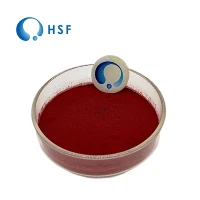

Coenzyme Q10 (coenzyme Q10, CoQ10) is a fat-soluble quinone compound. As a naturally occurring coenzyme, CoQ10 is an essential antioxidant and electron transporter for the human body. It is a critical substance in respiration, which can enhance the supply of intracellular ATP, reduce free radicals in the body, resist oxidation, help delay aging, and improve the body's immunity. Coenzyme Q10 is widely used in the fields of food, medicine, cosmetics, and livestock feed, and market demand and technical applications are increasing.
|
|
|
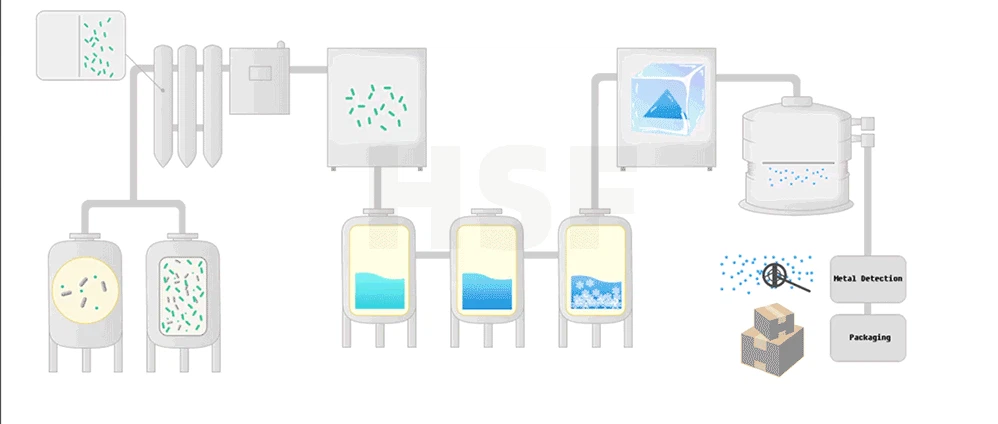
Coenzyme Q10 production by microbial fermentation
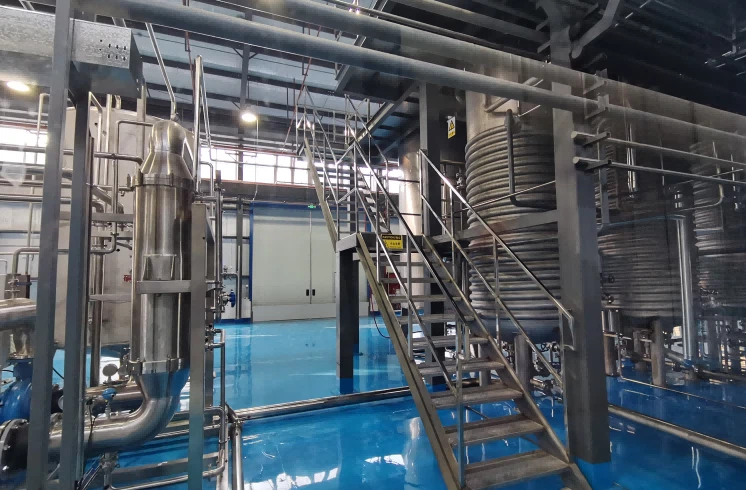
There are three main methods for the production of coenzyme Q10: one is the extraction method from plant and animal tissues; the second is the chemical synthesis method; and the third is the extraction method from microbial fermentation. At present, the main method for the production of coenzyme Q10 is the fermentation method, which can not only expand the production scale but also occupy an advantage in terms of productivity.
Although the content of coenzyme Q10 in microbial cells in nature is high, its fermentation product is a mixture of multiple coenzyme Q10 homologs, resulting in a high cost for the purification of coenzyme Q10. Therefore, in the fermentation production of coenzyme Q10, the selection of production strains is the primary issue. The content of coenzyme Q10 in photosynthetic bacteria (hereinafter referred to as PSB) is generally high. In terms of classification, PSB belongs to the order of Rhodospirillales, the order of Eubacteria, the order of Bacteria, the order of Rhodospirillales, and the order of Chlorobacteria. The former is divided into Rhodothiobacteriaceae and Rhodospirillaceae. Therefore, Rhodospirillaceae bacteria are one of the ideal choices for coenzyme Q10-producing strains. The coenzyme Q10 production capacity of wild-type strains cannot meet production needs, and they can be genetically modified using conventional mutagenesis and genetic engineering techniques.
In addition to using metabolic control theory to select high-yield mutants or construct recombinant strains to increase fermentation yield, optimizing the fermentation conditions of production bacteria is also an important and effective way to increase fermentation yield.
In the fermentation of coenzyme Q10, fermentation optimization experiments are carried out by selecting carbon sources, nitrogen sources, growth factors, inorganic salts, etc. from different sources to determine the composition of the culture medium. Studies have shown that metal ions, especially Mg2+, Fe2+, and Mn2+, promote the fermentation production of coenzyme Q10. In addition, precursors can significantly increase the yield of products and, under certain conditions, can also control the flow of bacterial anabolism products. It has been reported that the precursors added to the fermentation production of coenzyme Q10 include p-hydroxybenzoic acid, mevalonate, isopentanol, and geraniol.
a. Agitation-aeration
The effects of agitation-aeration on the yield of coenzyme Q10 vary depending on the production strain. One is that it can promote the fermentation production of coenzyme Q10; the other is that it has an inhibitory effect. Studies have shown that the cytoplasmic membrane of bacteria grown under oxygen-limited conditions is well developed and has a multilayer structure, and the photoreaction center of PSB is located here, which may lead to a higher content of coenzyme Q10 than bacteria grown under sufficient oxygen supply conditions.
Rhodospirillaceae bacteria can perform both obligate anaerobic bacterial photosynthesis and aerobic respiration and fermentation. Car and Excell reported that PSB has a high production of coenzyme Q10 under light anaerobic conditions, but once it is switched to dark aerobic culture, the production will drop sharply.
The initial pH value will affect the rate of bacterial utilization of the substrate and the structural state of the cell, thereby affecting the growth rate of the bacteria and the changes in metabolites. Wang Genhua et al. conducted a shake flask experiment on Rhizobium leguminosarum and found that the bacteria produced more coenzyme Q10 under acidic conditions than under alkaline conditions. The amount of intracellular coenzyme Q10 is the highest at pH 5.
Yoshida et al. found that the content of coenzyme Q10 was higher when the bacteria were in the early stage of the stable period. Zhu Xufen et al. also believed that the content of CoQ10 in the bacteria continued to increase with the increase of cultivation time, reaching the highest level in the early and middle stages of the stable period, and then began to decline.
Culture modes are divided into batch fermentation, fed-batch fermentation, fed-batch fermentation, continuous fermentation, etc. Different culture modes have their advantages and disadvantages, and the culture mode can directly affect the production of coenzyme Q10. Currently, fed-batch culture is more promising. Fed-batch can avoid metabolism-accumulation and obtain higher cell density, prolong the fermentation process, and accumulate a large amount of product. Through the study of the respiratory intensity of Coenzyme Q10-producing bacteria, the correlation between sugar metabolism and Coenzyme Q10 production, and the kinetic analysis of oxygen supply and glucose supply, it was found that maintaining a low concentration of glucose during the fermentation process is conducive to the formation of the product. Therefore, it is also Fed-batch culture that can be used. Research on radioactive rhizobia found that mixed fed-batch fermentation with sucrose and an appropriate amount of corn-steked liquor can significantly increase the production of coenzyme Q10, and its intracellular coenzyme Q10 content increased by 33%.
e Q10
Since Coenzyme Q10 is an intracellular product obtained from microbial fermentation, the cell wall needs to be disrupted first during the extraction process. Therefore, cell disruption is one of the key steps in extracting Coenzyme Q10, which directly affects the biological activity, yield, and cost of Coenzyme Q10. After reviewing the literature, we found that there are many methods for extracting Coenzyme Q10. This article summarizes and compares several commonly used extraction methods.
The saponification extraction method transfers a large amount of non-water-soluble components such as fatty acid glycerides and various free fatty acids contained in the Coenzyme Q10 extract to the aqueous phase, while the fat-soluble Coenzyme Q10 remains in the organic phase, and is then extracted using an organic solvent. , thereby improving its purity and extraction capacity. Common saponification extraction methods mainly include the alcohol-alkali saponification extraction method and the alkali saponification extraction method.
a. Alcohol-alkali saponification extraction method
The general method of alcohol-alkali saponification extraction method is: first add pyrogallic acid with a mass fraction of about 7% to the bacterial cells, then slowly add 1.3~1.5 times the volume of sodium hydroxide-ethanol solution, stir, and then add n-hexane. Reflux for extraction and quickly cool to room temperature. Then use an appropriate amount of petroleum ether to extract multiple times, wash with water until neutral, concentrate with water, vacuum crush and rotary evaporate to remove the organic solvent, and finally dissolve with absolute ethanol. In the alcohol-alkali saponification method, due to the presence of ethanol, long-term saponification may lead to the transposition of the methoxy group in coenzyme Q10 and the ethoxy group in ethanol, resulting in single or double ethoxy derivatives.
The general method of alkali saponification extraction method is: first add acidic water to the bacteria, heat, and reflux in a water bath for 3 hours, slowly add sodium hydroxide diluted to a certain multiple, then reflux for some time, and quickly cool to room temperature. Then add leaching with organic solvent 2 to 3 times, take the supernatant and wash it with water until neutral, then take water and concentrate, vacuum concentration, and rotary evaporation to remove the organic solvent, and finally dissolve it with absolute ethanol. Compared with the alkaline saponification extraction method, although the solution produces an emulsification phenomenon, the alkali saponification extraction method has a higher extraction amount of coenzyme Q10 and produces fewer impurities.
The general method of organic solvent stirring and crushing extraction method is: first add wet bacterial cells and acetone into a beaker, stir with a magnetic stirring rod, centrifuge and pour out the supernatant, then use a rotary evaporator to concentrate the supernatant at 50 degree , and then add petroleum Extract with ether or n-hexane, and then concentrate the extract with a rotary evaporator to a thick liquid. Finally, add absolute ethanol and freeze it in the refrigerator to separate impurities such as cholesterol. Filter and recover the filtrate.
The general method of grinding and crushing extraction method is: first, take the wet bacterial cells in a mortar, add a small amount of quartz sand, acetone, and antioxidants to grind quickly, grind for some time, then centrifuge, pour the supernatant after centrifugation, and then add petroleum Extract with ether or n-hexane, and then concentrate the extract with a rotary evaporator to a thick liquid. Finally, add absolute ethanol and freeze it in the refrigerator to separate impurities such as cholesterol. Filter and recover the filtrate.
The role of coenzyme Q10
Coenzyme Q is an energy converter in the mitochondria of cells. It participates in the "tricarboxylic acid cycle" by transferring and transmitting electrons to produce ATP (adenosine triphosphate), that is, an energy factor for cell metabolism. Experiments have shown that after coenzyme Q10 in the body becomes alcohol, it can directly react with peroxide free radicals to regenerate VE, and independently and synergistically play the role of an antioxidant.
The decline in immune function with aging is the result of free radicals and free radical reactions. Coenzyme Q10, as a strong antioxidant, can inhibit the differentiation of receptors and cells on immune cells by free radicals alone or in combination with vitamin B6 (pyridoxine), and has a modification effect on the microtubule system related to activity, enhances the immune system, and delays aging.
Coenzyme Q10 penetrates the skin growth layer to weaken the oxidation reaction of photons and can activate specific phosphorylated tyrosine kinases with the assistance of tocopherol. Prevent oxidative damage to DNA, inhibit the expression of collagenase in human skin fibroblasts under ultraviolet light, and protect the skin from damage. Extensive research shows that coenzyme Q10 inhibits lipid peroxidation, reduces the generation of free radicals, protects the SOD active center and its structure from free radical oxidative damage, increases the activity of enzymes such as SOD in the body, inhibits cell apoptosis induced by oxidative stress, and has a significant antioxidant effect.
Coenzyme Q10 is a natural antioxidant and cell metabolism initiator produced by cells themselves. It has the function of protecting and restoring the integrity of biological membrane structure and stabilizing membrane potential. It is a non-specific immune enhancer of the body, so it shows excellent anti-fatigue effect. Coenzyme Q10 keeps cells in a good and healthy state, so the body is full of vitality and brain power.
Studies have shown that supplementation of 100~150mg/day of coenzyme Q10 can significantly improve the condition of people suffering from muscle dystrophy. Hard physical exercise reduces the blood content of coenzyme Q10, and daily supplementation of 60mg can improve the function of athletes. Many overweight people have very low levels of Coenzyme Q10, and supplementation can help them lose weight. This is because Coenzyme Q10 can accelerate the metabolism of fat, providing the limbs and brain with an ample energy supply and increasing vitality.
Application fields of Coenzyme Q10
(1) Food field
Coenzyme Q10 is also widely used in the food industry. It is added to certain foods, such as nutritional supplements, beverages, bread, candy, etc., to increase their nutritional value. In addition, it is also used to improve the antioxidant properties of food, which helps prevent food from spoiling and decaying.
(2) Medical field
Coenzyme Q10 is also widely used in the medical field and plays an important role in maintaining human health. It is used to treat various diseases such as heart disease, cancer, neurodegenerative diseases, etc. Studies have shown that Coenzyme Q10 can help improve heart health, reduce fatigue, improve immunity, and have anti-aging effects.
(3) Cosmetic field
Coenzyme Q10 is also used in various cosmetics because of its antioxidant and anti-inflammatory properties. These properties can help slow down skin aging and improve skin radiance and elasticity. Coenzyme Q10 is an important ingredient in many skin care products and beauty treatments.
(4) Livestock feed field
In the livestock industry, Coenzyme Q10 is also used in feed. Coenzyme Q10 is added to the feed of livestock and poultry such as pigs and chickens to promote their growth and development, improve the quality of meat and eggs, and enhance disease resistance. At the same time, it can also improve reproductive performance and increase the reproduction rate. Studies have shown that coenzyme Q10 can increase the growth rate and yield of animals and enhance their ability to resist diseases. Therefore, it is widely used in animal husbandry feed to improve economic benefits.
|
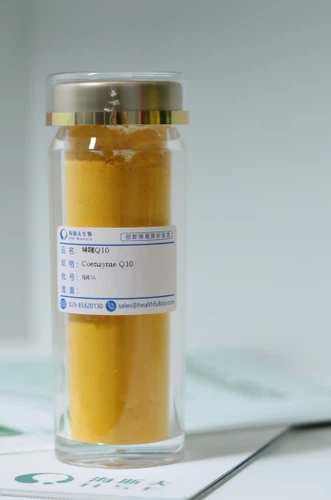
Coenzyme Q10 powder (CoQ10 powder) |
10% |
20KG /Drum 25KG /Carton |
|
20% |
220KG /Drum 25KG /Carton |
|
|
40% |
20KG /Drum 25KG /Carton |
|
|
98% |
20KG /Drum 25KG /Carton |
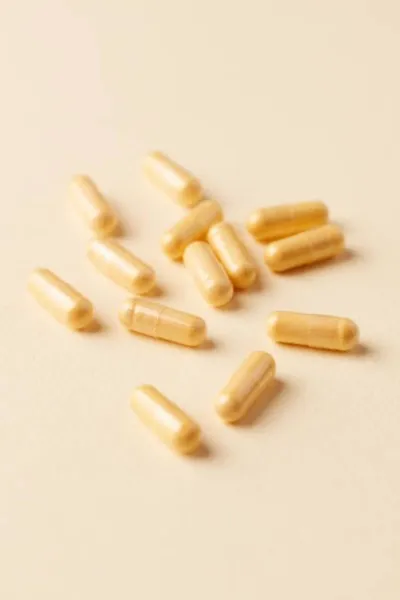
To enhance the bioavailability of Coenzyme Q10, it is important to select appropriate formulations based on different application needs, enabling better release and function within the body. Relying on our separation and extraction technology platform, HSF Biotech produces Coenzyme Q10 using cold water dispersion microencapsulation technology. This ensures stable performance, strict control over trace pollutants, and good flowability. It quickly disperses in cold water, making it suitable for various applications such as solid beverages, gummies, and premixes. It can be combined with vitamin E/plant oils and is widely used in functional foods and soft capsules, among other products.
Whatsapp: +86 18992720900